
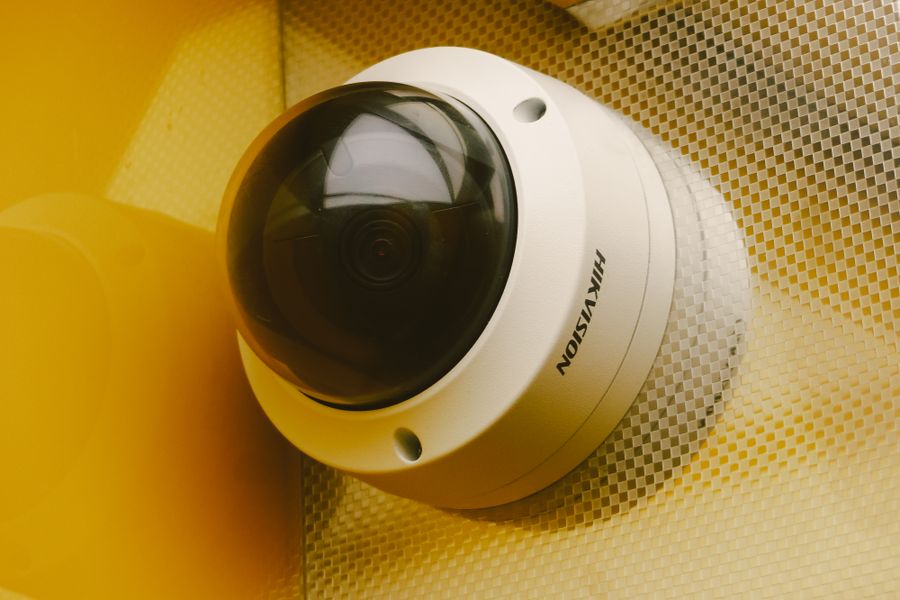
Things to note when installing outdoor infrared cameras
Avoiding reflections, doing waterproofing, and choosing a reasonable installation height are the three keys to extending the life of the camera.
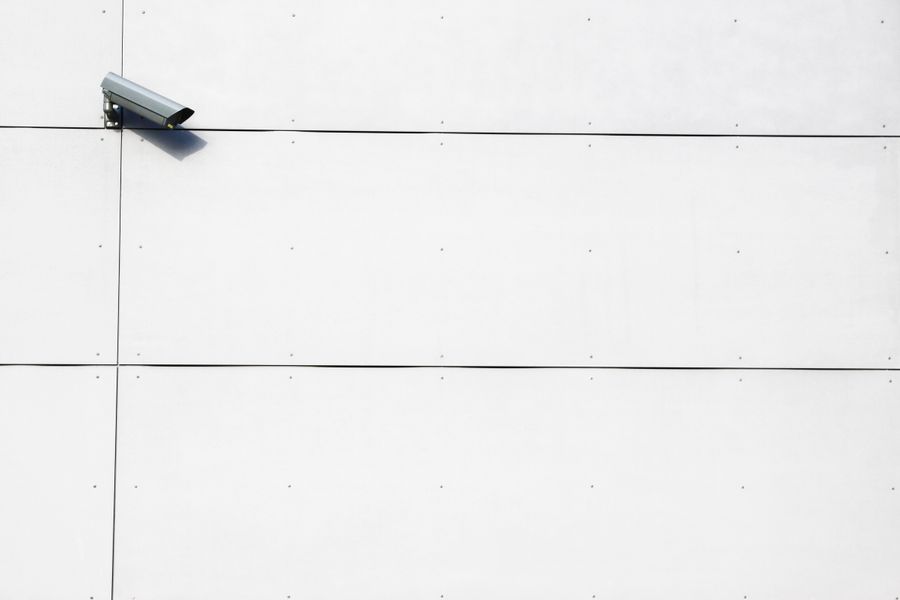
How do I choose a bracket and fix it securely?
Load rating, material and fixing method together determine wind resistance. A loose bracket is a common starting point for outdoor failures.
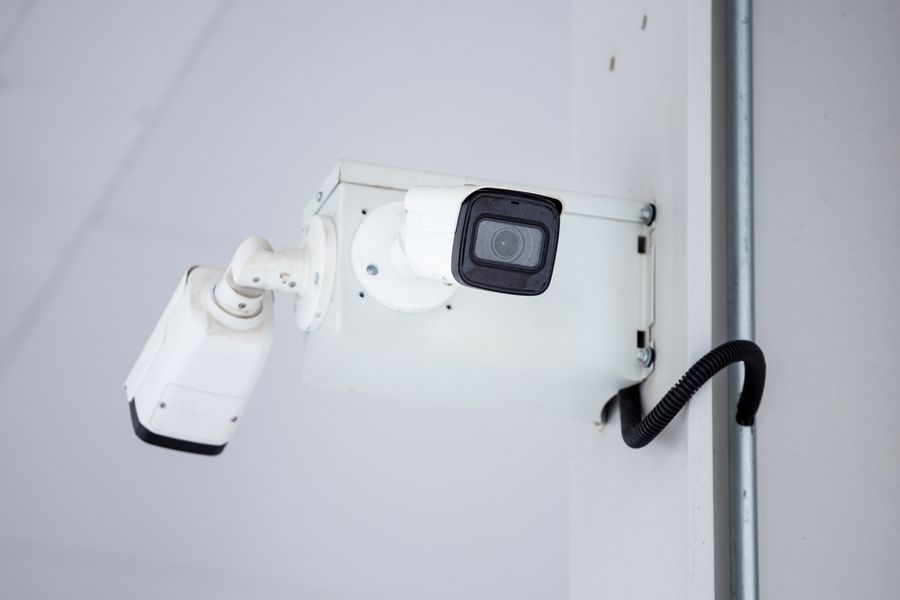
How high should a camera go, and at what angle?
Height decides whether faces are legible; angle decides effective coverage. Both follow from what you actually need to see.
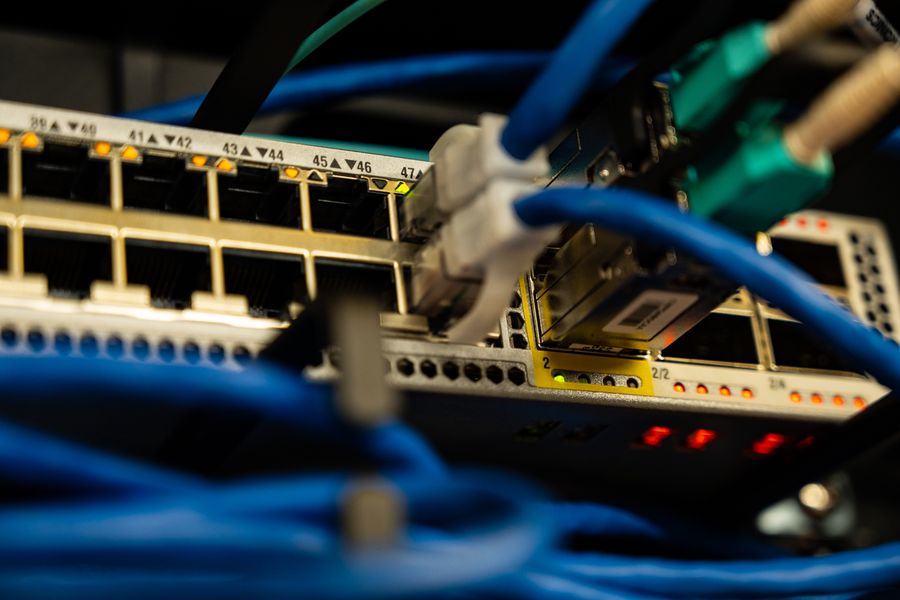
Choosing a switch and sizing bandwidth — do not let a 100 Mbps port throttle the system
Size it from channel count, per-channel bitrate and uplink demand. Beyond four HD channels, go all-gigabit.
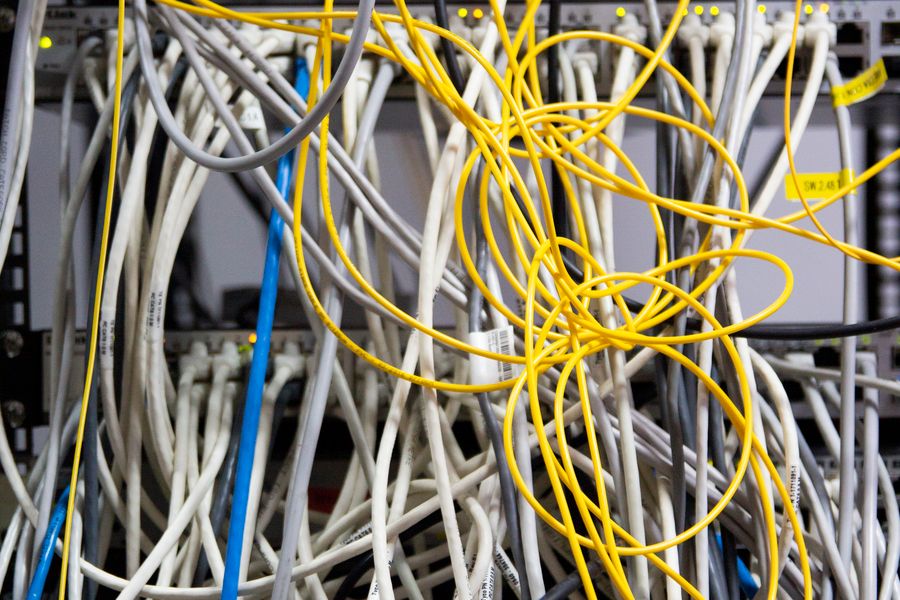
Terminating network cable properly — do not let workmanship become the fault
Pin order, strip length and crimp quality decide link stability. Most unexplained dropouts trace back to them.
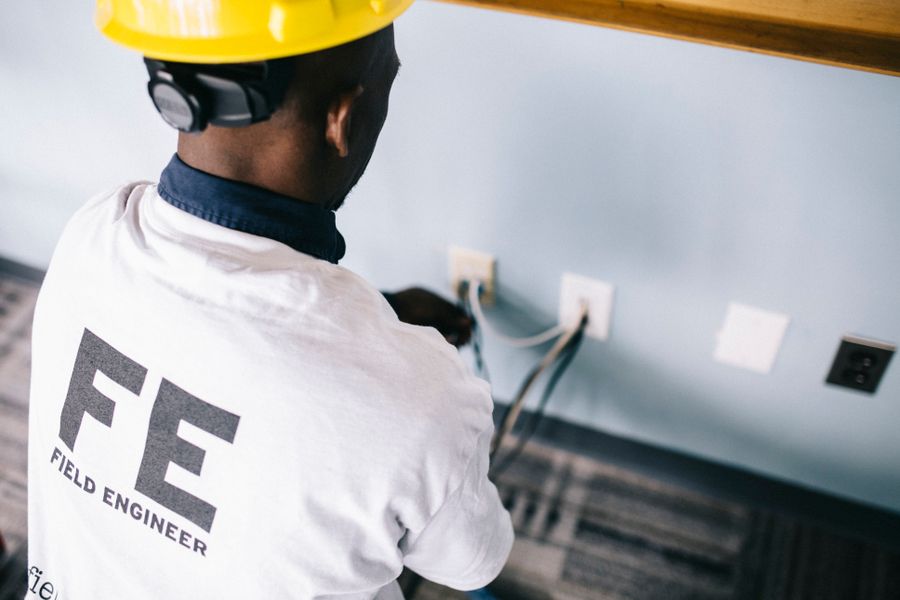
Centralised or local power distribution?
Centralised supply simplifies management but amplifies voltage drop and single-point risk; local supplies are steadier but add...
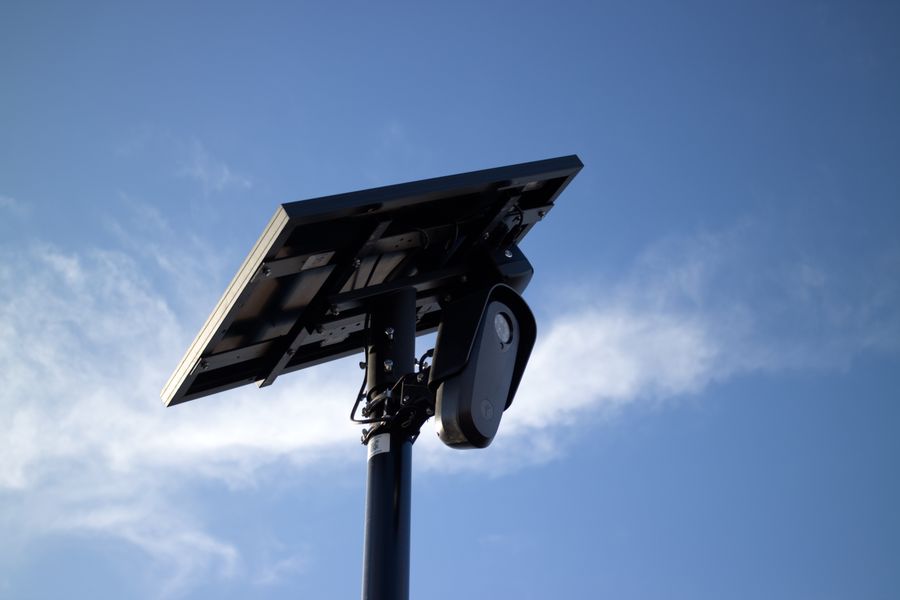
How do I plan a PoE power budget?
Budget from peak device draw plus headroom, paying particular attention to night-time consumption with IR on and to cable voltage drop.
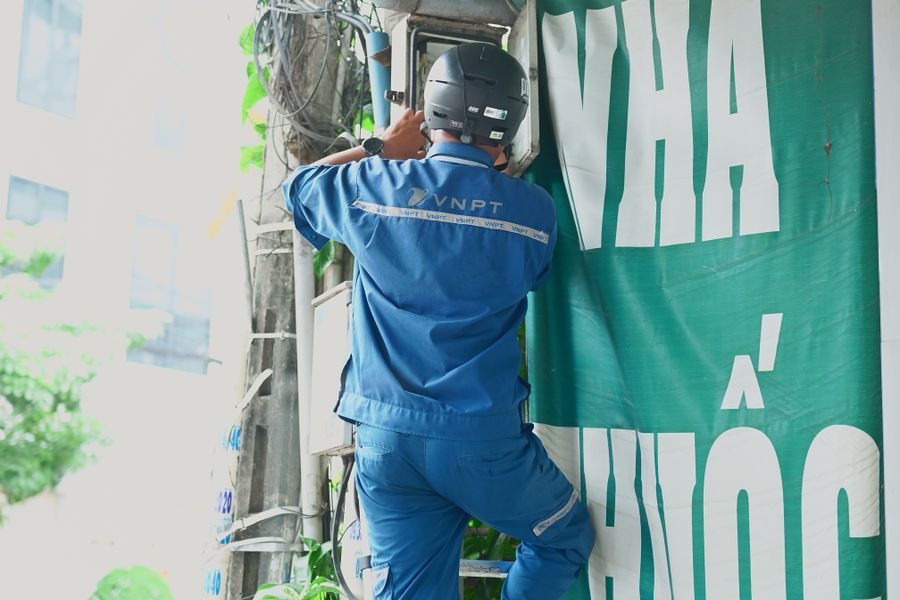
Lightning protection and earthing for outdoor equipment
Earthing is the foundation. Without a solid earth connection even the best surge protector is decoration.
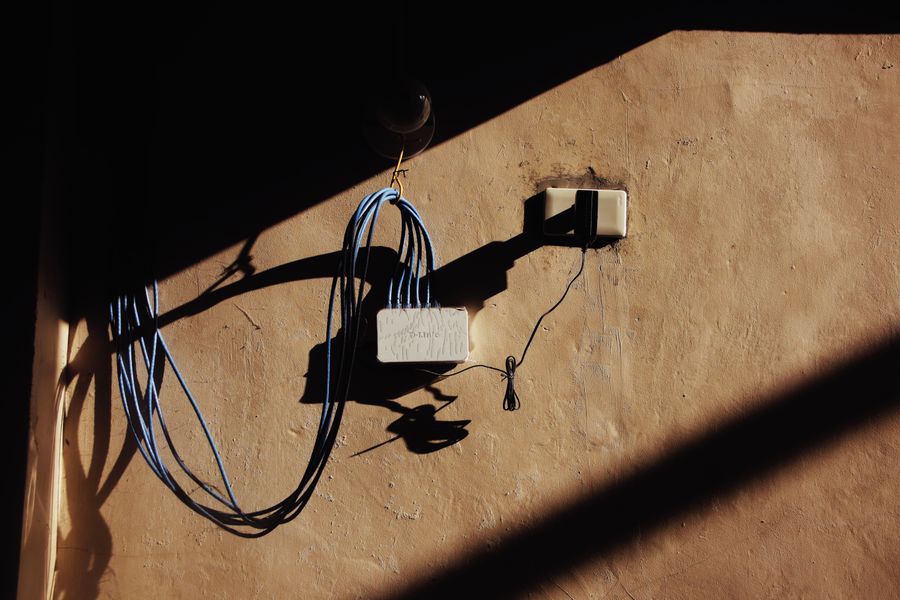
Waterproofing and conduit practice for outdoor cable runs
Conduit, enclosure and gland form three lines of defence. The principle is simple: let water run down, never along the cable.
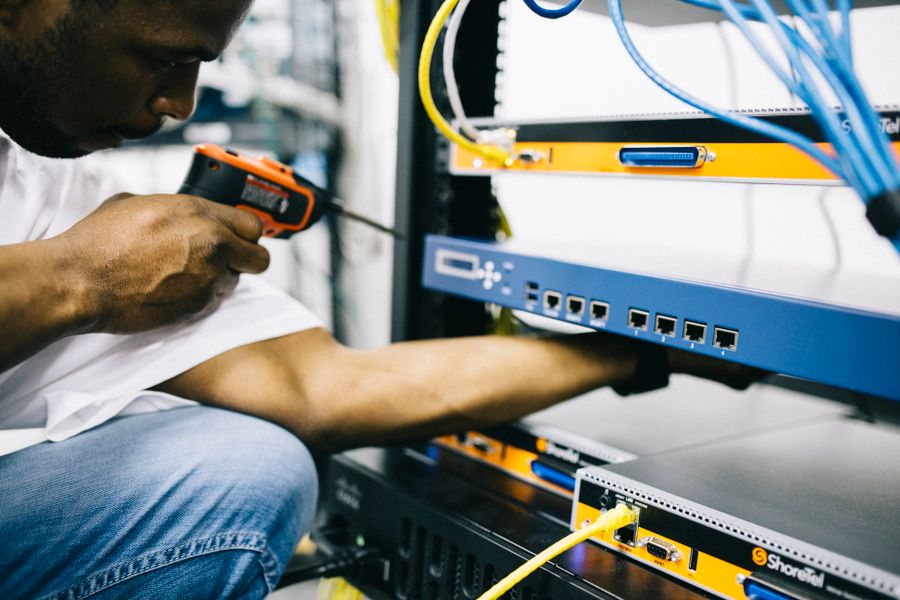
Focusing and tuning the camera picture
Set back focus before focus, commission by day and re-check by night. That order keeps near and far subjects sharp.