
IP67, lightning and surge protection: the essentials of outdoor reliability
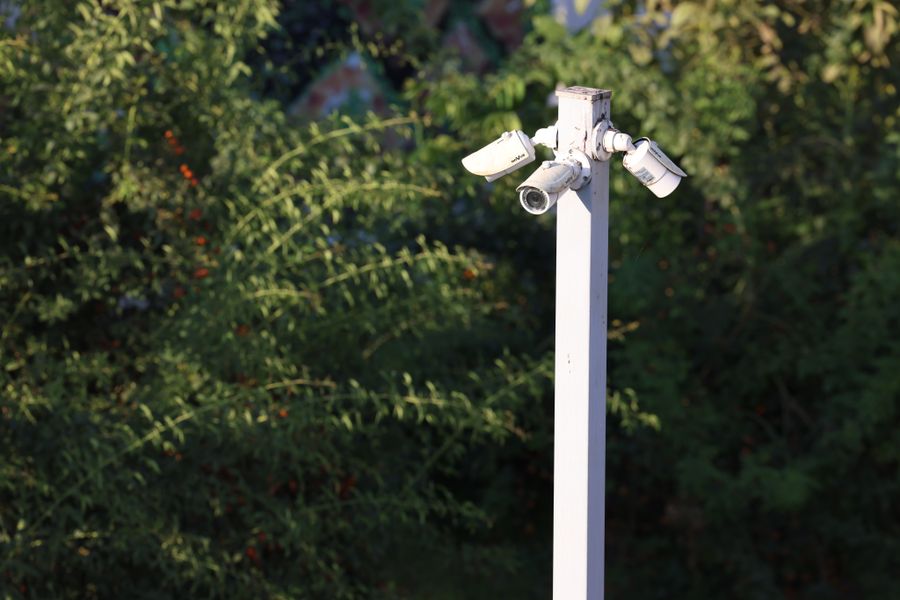
On a datasheet the ingress protection rating takes one line, yet it decides whether an outdoor camera survives its third rainy season. Field reports show outdoor failures cluster tightly: water ingress and fogging, lightning damage, and repeated restarts caused by unstable power.
Water resistance is not just an IP number. The difference between IP66 and IP67 lies in short-term immersion, but what really affects service life is structural detail: how the cable entry is sealed, how a dome housing drains, and the breathing effect created by pressure differences as temperature changes. Beyond the rating, look at cable jackets, waterproof connectors and mounting orientation — a lens or connector facing upward sharply increases the risk of water getting in.
Lightning and surge protection is the classic low-cost, high-return investment. Outdoor models should have appropriate protection on both the network and power ports, with grounding carried out strictly to specification; poor grounding renders the protection components useless and can even bring induced surges indoors to other equipment.
Finally there is wide-voltage and low-temperature tolerance. Regions with unstable mains and cold northern winters place real demands on the operating range of the power module and any battery, so selection should be assessed against the climate where the device will actually live rather than a room-temperature demo.