
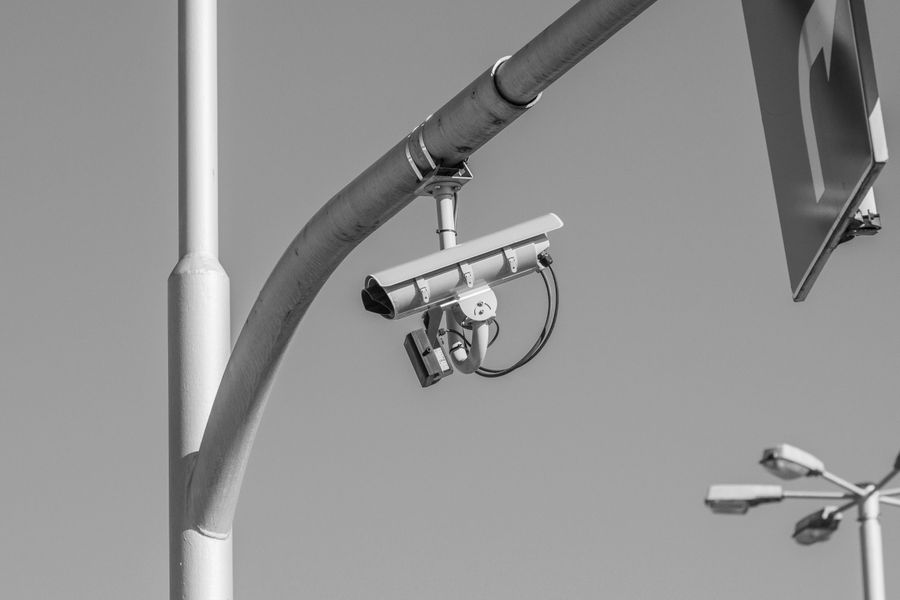
Smart parking lot monitoring solution
1. Industry security needs and pain points
The parking lot is a place where vehicle scratches, theft and disputes occur frequently, and it is also one of the scenes with the strongest sense of experience. Commonly encountered in management:
- It's hard to pinpoint the blame: The parking space area does not have effective coverage or the image quality is insufficient. After scratches occur, they cannot be restored, and the management party is often held accountable.
- Charge dispute: Disputes caused by toll evasion, car following, and license plate recognition errors in unattended scenarios, and lack of credentials.
- Poor lighting conditions: The illumination of the underground garage is low, the glare caused by direct car lights, and the imaging effect of ordinary cameras is not good.
- safety hazard: The underground space is closed, and risks such as stranded personnel and illegal charging of electric vehicles are easily overlooked.
2. Construction Goals
- Entrances, driveways, parking areas, elevator halls and equipment rooms are all covered, and there are no blind spots in key areas.
- The entire process of vehicle entry, exit and parking can be checked, and incidents of scratches and theft can be traced and culpable.
- The license plate recognition is accurate and supports unattended and fee auditing.
- Abnormal behaviors (personnel detention, illegal charging) can be discovered and dealt with in a timely manner.
3. Overall system architecture
- Front-end collection layer: Integrated entrance and exit license plate recognition machines, lane monitoring cameras, low-illumination machines in parking areas, hemispheres in elevator halls, and infrared machines in equipment rooms.
- network transport layer: PoE access + optical fiber aggregation in the garage, large garage partition networking to avoid single point bottlenecks.
- storage management layer: Mainly local storage, backup of key recordings; supports retrieval by parking space area and time period.
- Application linkage layer: Linked with barrier gates, parking guidance, payment systems, and fire alarms, and supports mobile viewing.
4. Key point layout and equipment selection
| point | Recommended models | Key parameters | Monitoring target |
|---|---|---|---|
| entrance/exit | License plate recognition all-in-one machine | High recognition rate, wide dynamic range, fill light | Vehicle entry and exit, charging basis |
| main driving channel | Low light box camera | Anti-glare, wide dynamic range | Traffic order, accident evidence collection |
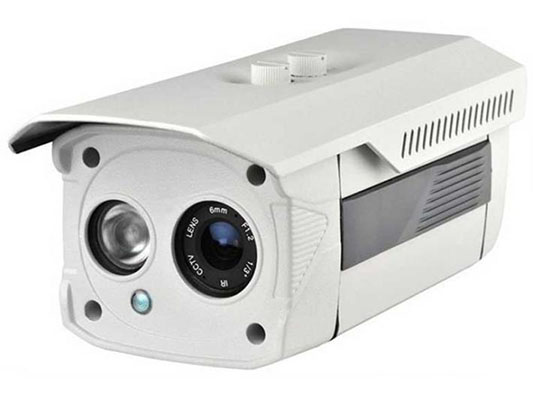
| parking area | Low light wide angle camera | Wide coverage, infrared fill light | Evidence collection and vehicle care |
| Elevator hall/Pedestrian exit | dome camera | Wide dynamic range and clear faces | Personnel entry and exit, security incidents |
| non-motor vehicle area | infrared camera | Motion detection, anomaly identification | Electric vehicle parking and charging supervision |
| Equipment room | infrared camera | 24-hour video recording, anti-tampering | Equipment safety, entry and exit traces |
5. Core functions and business value
- Strong evidence collection: High-definition coverage of the parking space area, and liability for scratches and theft can be adjusted to reduce the risk of compensation and complaints from the management party.
- Efficient traffic: License plate recognition is linked to barrier gates to reduce queues and improve entrance and exit traffic efficiency.
- Controllable charges: The identification record corresponds to the video voucher, and fee evasion and dispute handling are well-founded.
- safety supervision: Stranded persons and illegal charging behaviors can be discovered, eliminating safety hazards in underground spaces.
- Operational assistance: Parking space usage and peak hour data support pricing and guidance strategy optimization.
6. Implement delivery and service guarantee
- Determine the points based on the garage plan and column network, paying special attention to the blind spots behind the columns and corners.
- Coordinate pipeline directions with lighting, fire protection, weak current and other types of work to avoid conflicts.
- Completed joint debugging and recognition rate testing of gate, guidance, and payment systems.
- Train post and management personnel, and clarify the video review process.
- Provide quality assurance and regular inspections to ensure stable operation of equipment in underground humid environments.
7. Typical configuration suggestions
Standard underground garage (200-500 parking spaces) recommends: 1-2 sets of license plate recognition for each entrance and exit, one set every 30-50 meters in the main passage, one wide-angle low-light machine for every 8-12 parking spaces in the parking area, 1-2 hemispheres in each elevator hall, and separate configurations for non-motor vehicle areas and equipment rooms. Storage is calculated based on 30 days, and 60 days is recommended for areas related to entrances, exits, and charges. In the underground environment, attention should be paid to moisture prevention and heat dissipation, and lens cleaning and fill light effects should be checked regularly.
Related Products

-aa98b3df.jpg)
-a188c327.jpg)
Consult about this solution
Leave your requirement and we will contact you soon.