Education Industry Monitoring Solution
1. Industry security needs and pain points
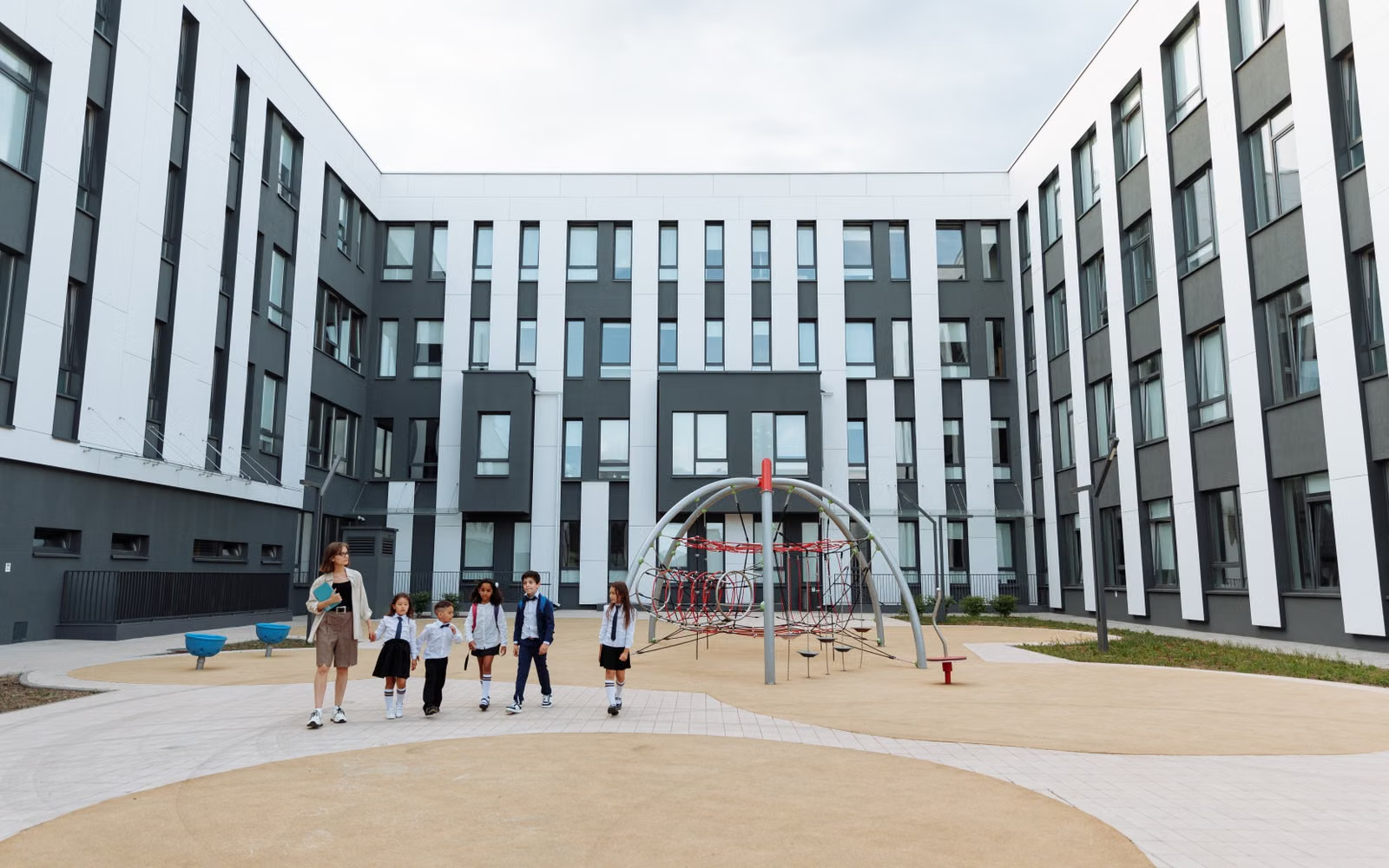
The campus is densely populated, mostly minors, and has a heavy responsibility for safety. Monitoring is not only a tool for collecting evidence afterwards, but also undertakes daily management, examination inspections and emergency command functions. Common difficulties in construction:
- Large scene span: From the school gate square to the corridor of the teaching building, from the playground to the kitchen of the canteen, the lighting and space conditions are obviously different.
- Diverse focus: It is necessary not only to prevent outsiders from intruding and bullying on campus, but also to support examination inspections and teaching order management.
- Sensitive privacy boundaries: Installation inside dormitories, bathrooms, etc. is strictly prohibited, and the coverage scale of classrooms and corridors must be clearly specified.
- Holidays and Nighttime Risks: The campus is vacant during winter and summer vacations and at night, and the risk of equipment theft and illegal break-in increases.
2. Construction Goals
- The school gates, walls, main passages, and public activity areas are fully covered, and there are no blind spots in key areas.
- Supports inspections and video recording during exams to meet exam management requirements.
- Emergencies can be quickly located, played back and reported to support emergency command.
- Clear zoning authorization, protect the privacy of teachers and students, and leave traces of the entire video review process.
3. Overall system architecture
- Front-end collection layer: School gate license plate and face capture machines, wall perimeter infrared cameras, corridor wide-angle hemispheres, playground ball machines, canteen anti-oil pollution models.
- network transport layer: The teaching building is hierarchically aggregated, and the campus network is divided into dedicated VLANs for monitoring to ensure smooth video and network security.
- storage management layer: Centralized storage in the central computer room, with extended retention in important areas; supports group management by grade and building.
- Application linkage layer: Linked with campus card, access control, visitor, and broadcast systems to support higher-level education departments’ access interfaces.
4. Key point layout and equipment selection
| point | Recommended models | Key parameters | Monitoring target |
|---|---|---|---|
| School gate entrance and exit | WDR waterproof camera + dome camera | Strong light suppression, wide range zoom | Personnel and vehicle entry and exit, pick-up and drop-off order |
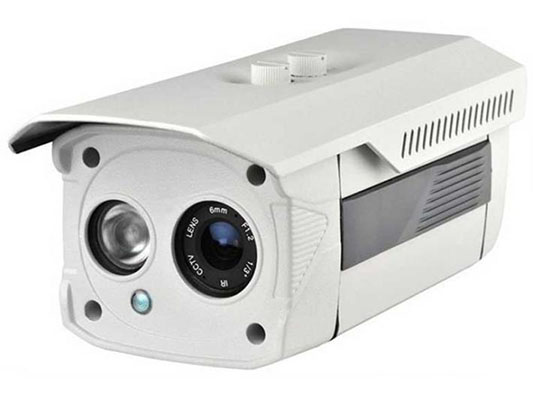
| wall perimeter | Network infrared waterproof camera | Long-distance infrared, anti-tamper alarm | Overpass intrusion and night protection |
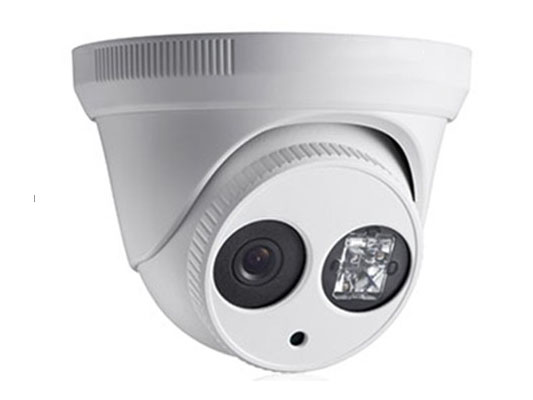
| Teaching building corridor/stairs | Wide angle network dome camera | Corridor mode, low light | Traffic order, crowding and stampede warning |
| classroom | Dome camera (supports sound pickup optional) | Wide-angle coverage, backlight compensation | Teaching order and examination inspection |
| Playground/Stadium | HD network dome machine | Large magnification zoom, preset position | Tracking of large-scale events and emergencies |
| canteen chef | Oil-proof and waterproof camera | Easy to clean shell, adaptable to high temperatures | Food Safety and Practice |
5. Core functions and business value
- Global protection: Continuous coverage from the school gate to the playground to the corridor, abnormal behavior can be detected in time, and bullying and conflicts can be retrospectively determined.
- Exam support: The classroom screen supports inspection and evidence storage, and the video is saved separately according to the exam cycle.
- emergency command: In emergencies, one-click access to real-time images of surrounding points can assist evacuation and disposal decisions.
- Mutual trust between home and school: Standardized authorization and access procedures to ensure security while maintaining the privacy of teachers and students.
- Improve management efficiency: Supports grouping by building and grade, so that on-duty and logistics management personnel can meet their needs.
6. Implement delivery and service guarantee
- Work with the school to clearly define the coverage list and prohibited areas, and formulate a written and confirmed location plan.
- Priority will be given to construction during holidays, and fencing and noise control will be done during the teaching period.
- Complete the joint debugging of broadcasting, access control linkage and superior platform.
- Organize batch training for security, moral education and logistics personnel, and clarify the review and approval process.
- Provide quality assurance and inspection before the start of each semester to ensure stable operation during critical periods.
7. Typical configuration suggestions
Recommendations for ordinary primary and secondary schools: 2-4 hemispheres at the school gate, one every 50-80 meters around the perimeter, 2-4 hemispheres in the corridors on each floor, each stairwell covering one stair section, 2-4 billiard machines in the playground, and the canteen should be configured according to the processing area and dining area. Storage is calculated based on 30 days of retention, and longer retention policies can be set individually for classroom channels during exams. The dormitory area only covers entrances, exits and public corridors, and entry into indoor private spaces is strictly prohibited.
Related Products
-aa98b3df.jpg)
Consult about this solution
Leave your requirement and we will contact you soon.