
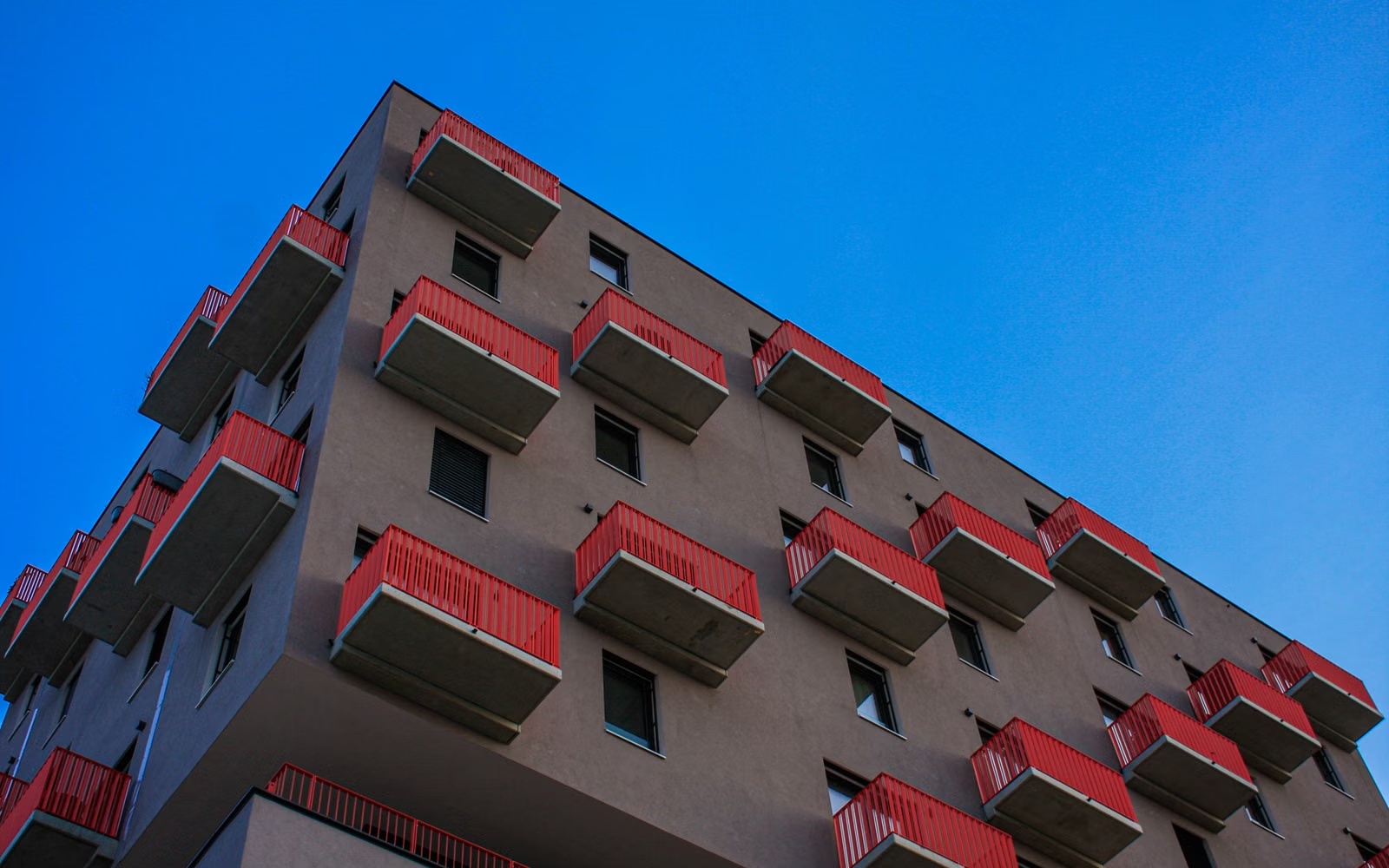
Community and residential area monitoring solutions
1. Industry security needs and pain points
Residential complexes are the core scene of residents' daily lives, and their security demands are direct and specific: cars are scratched and no one can be found, electric car batteries are lost, cars are hit by objects thrown from high altitudes, and strangers follow them into the building. Property construction often encounters:
- Difficult to obtain evidence: The monitoring resolution of old residential areas is low and blurry at night. When a dispute occurs, the picture is unrecognizable and useless.
- Missing points: High-frequency problem areas such as underground garages, electric carports, and garbage disposal points have not been covered for a long time.
- Weak maintenance: Lack of professional operation and maintenance, long-term disrepair after equipment damage, and coverage rate declining year by year.
- privacy concerns: Residents are worried that the camera is facing their doors and windows, and the installation location may easily trigger complaints.
2. Construction Goals
- Entrances, main roads, unit doors, garages, elevators and public activity areas are fully covered.
- The entry and exit of vehicles can be checked, the trajectory of personnel can be traced, and disputes can be well documented.
- Behaviors such as throwing objects from high altitudes, entering ladders with electric vehicles, and occupying fire exits can be discovered and traced.
- The system is easy to maintain and expand, and property personnel on duty can operate it independently.
3. Overall system architecture
- Front-end collection layer: Entrance and exit license plate recognition machines, unit door hemispheres, special wide-angle machines for elevators, waterproof machines for garages, special overhead shooting machines for high-altitude parabolic objects, and ball machines in public areas.
- network transport layer: Optical fiber + PoE access in the community. Old communities can use elevator accompanying cables or wireless bridges to solve wiring problems.
- storage management layer: The property monitoring center provides centralized storage and video management, supporting grouping and hierarchical authorization by building.
- Application linkage layer: Linked with access control, barrier gates, elevator control, and video intercom to support electric vehicle entry detection and alarm.
4. Key point layout and equipment selection
| point | Recommended models | Key parameters | Monitoring target |
|---|---|---|---|
| Main entrance and exit of the community | license plate recognition camera | Wide dynamic range and fill light integrated | Vehicle entry and exit, visitor vehicle registration |
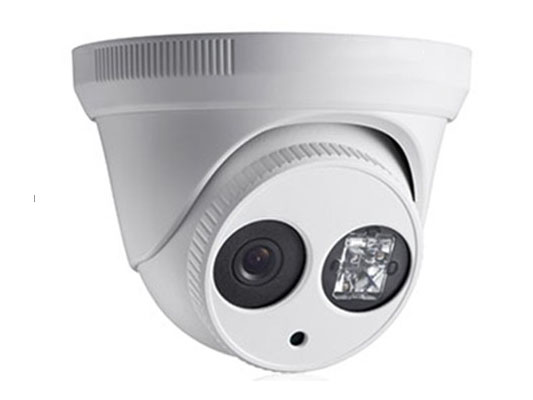
| Unit door/foyer | Network infrared dome camera | Wide angle, backlight compensation | Tailgating identification, entry and exit leaving traces |
| elevator car | Special wide-angle camera for elevators | Ultra wide angle, anti-interference, compact | Elevator riding behavior and elevator entry detection |
| underground garage | Low light waterproof camera | Low illumination, anti-glare, wide voltage | Vehicle safety, scratch evidence collection |
| Building facade | Special overhead camera for high-altitude parabolic objects | Large target area, strong light suppression | Parabolic floor positioning and tracing |
| public activity area | HD network dome machine | Zoom, preset position cruise | Children's activities, square order |
5. Core functions and business value
- Vehicle damage can be checked: High-definition coverage of garages and main roads, and liability for scratches and bumps can be adjusted to reduce property disputes.
- High-altitude parabola tracing: The upward shooting point combined with trajectory analysis can quickly lock the parabolic floor to form an effective deterrent.
- Electric vehicle governance: Elevator entry detection is linked with voice reminder and elevator control to reduce fire risks from the source.
- Visitor traceability: Face or card swiping records are associated with videos, and the tracks of outsiders can be clearly traced.
- Property efficiency improvement: The system has a simple interface and clear groupings, so personnel on duty can get started quickly and reduce training costs.
6. Implement delivery and service guarantee
- Work with the property owners committee and the property management team to confirm the location, avoid facing residents' doors and windows, and start construction after public announcement.
- Old communities give priority to solving elevator and garage wiring problems and adopt adaptive transmission solutions.
- Complete barrier gate, access control, elevator control linkage and mobile terminal call configuration.
- Organize property duty training and develop a video review registration system.
- Provide quality assurance and regular inspections, and support phased capacity expansion and reuse and renovation of old equipment.
7. Typical configuration suggestions
Medium-sized communities (10-20 buildings) recommend: 2-4 sets of license plate recognition for main entrances and exits, 1 dome in each unit foyer, 1 dedicated wide-angle camera for each elevator, one for every 2-3 parking spaces in the underground garage, 1-2 overhead cameras for each unit facade for high-altitude parabolic objects, and 4-8 dome cameras in public areas. Storage is calculated based on 30 days of retention, and can be extended in key areas such as elevators and garages. It is recommended to build UPS power supply simultaneously to avoid interruption of recording during power outage.
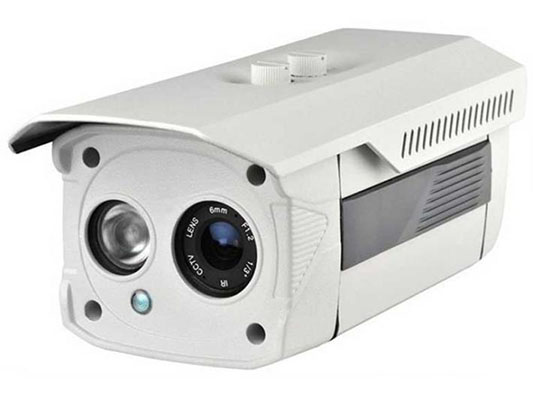
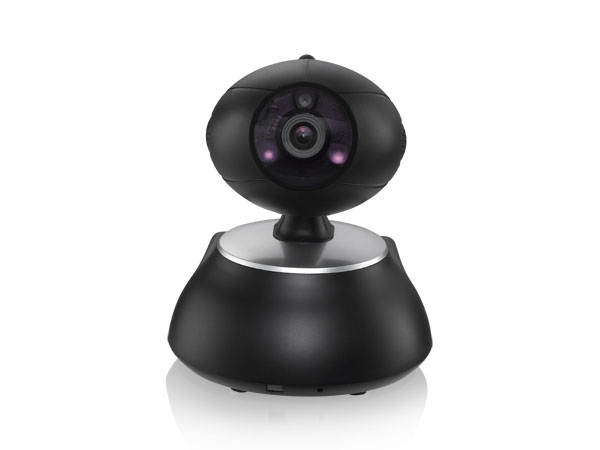
Related Products

Consult about this solution
Leave your requirement and we will contact you soon.