
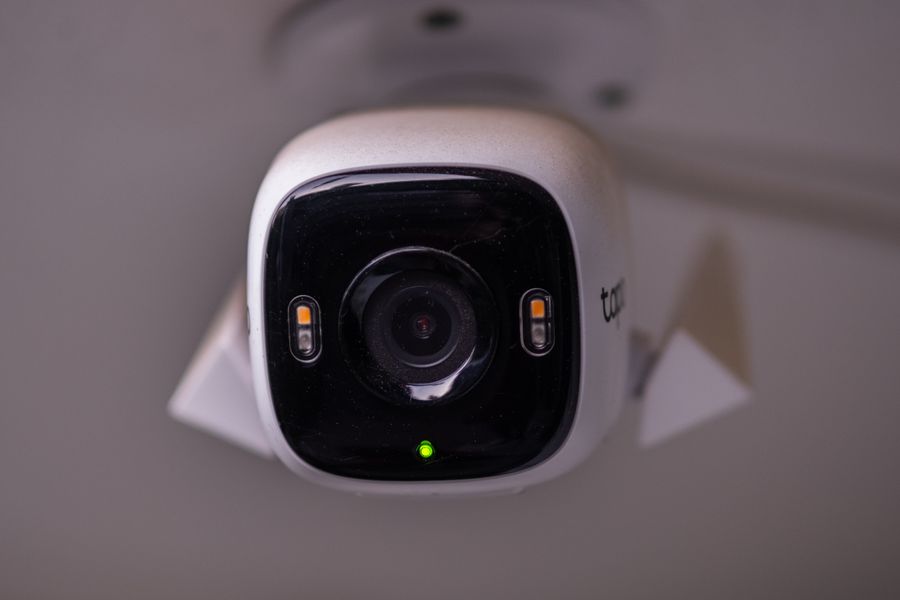
Security monitoring solution for medical industry
1. Industry security needs and pain points
The hospital is open 24 hours a day, has a complex personnel structure, and is highly mobile. It also involves a large number of valuable medicines and equipment and cash collection and payment. The security needs are both urgent and sensitive:
- Medical-patient dispute evidence collection: The emergency department, infusion area, and charging office are areas with high incidence of disputes. The lack of clear video often makes the hospital passive.
- theft and loss: Value is concentrated in pharmacies, consumable warehouses, and equipment rooms, and internal losses and external theft coexist.
- Emergency and access order: Emergency passages are occupied, clinics are blocked, and traffickers disrupt the order, affecting normal diagnosis and treatment.
- Privacy red line: Covering private spaces such as clinics, wards, and examination rooms is strictly prohibited, and site planning must strictly observe boundaries and fully inform the public.
2. Construction Goals
- Public areas, passages, pharmacies, toll booths, and parking lots are fully covered, with zero coverage of private spaces.
- Disputes and public security incidents can be reviewed and restored, and they can be handled according to law.
- Leave traces in and out of key material areas to prevent loss and theft.
- Establish a strict authority classification and review and approval system to protect patient privacy.
3. Overall system architecture
- Front-end collection layer: Dome cameras in halls and corridors, wide dynamic cameras in emergency areas, infrared cameras in pharmacies and consumables warehouses, waterproof machines in parking lots, and special machines for elevators.
- network transport layer: The monitoring private network is independently carried and isolated from medical business networks such as HIS and PACS to ensure data security.
- storage management layer: Centralized storage in the central computer room of the hospital area, and the retention period is extended in areas with high incidence of disputes.
- Application linkage layer: Linked with access control, one-click alarm, and medical intercom, the alarm will pop up instantly and the video will be locked.
4. Key point layout and equipment selection
| point | Recommended models | Key parameters | Monitoring target |
|---|---|---|---|
| Outpatient hall/waiting area | Wide angle dome + ball machine | Wide dynamic and people flow statistics optional | Order maintenance and detection of suspicious persons |
| Emergency/rescue channel | Wide dynamic dome camera | Strong light suppression, low illumination | Channel occupation, dispute evidence collection |
| Charge/registration window | Wide dynamic dome camera | Face priority exposure | Transaction process, dispute resolution |
| Pharmacy/consumables library | Infrared dome camera | Motion detection, 24-hour recording | Double locks for two persons, leaving traces of entry and exit |
| Inpatient department corridor/elevator | Wide-angle hemisphere + elevator special machine | Corridor mode, super wide angle | Visitation management and safety inspections |
| Underground/surface parking | Low light waterproof camera | Anti-glare, wide voltage | Vehicle safety, scratch evidence collection |
5. Core functions and business value
- The dispute is provable: High-definition coverage and extended retention in key areas provide objective basis for legal disposal.
- Materials are controllable: The entire entry and exit process of the pharmacy and consumables warehouse is recorded, and combined with access control to form a double constraint.
- One-click help: The nurse station and the clinic are equipped with emergency alarms, and when triggered, the monitoring center will link up with an instant pop-up window.
- Privacy Compliance: Partition authorization and review and approval, video retrieval will leave traces throughout the process, and comply with personal information protection requirements.
- Improvement of order: People flow monitoring and channel supervision can alleviate the problems of emergency department congestion and order disruption.
6. Implement delivery and service guarantee
- Confirm the location with the hospital's security, medical, and nursing departments, and specify the prohibited areas in writing.
- Construction in the hospital avoids the peak hours of diagnosis and treatment, and ensures dust prevention, noise reduction and infection control.
- Complete access control, alarm, intercom linkage and permission grouping configuration.
- Develop video review and approval procedures and organize training for security personnel.
- Provide quality assurance and regular inspections to ensure the continuous and stable operation of the system.
7. Typical configuration suggestions
Recommendations for general hospitals of Class II and above: configure dome machines and hemispheres according to area in the outpatient hall and waiting area, one hemisphere at 30-50 meters in each corridor, one wide dynamic dome at each station of the emergency department and charging window, the pharmacy and consumables warehouse respectively configure the entrance and exit and inside the warehouse, each elevator has one dedicated machine, and the parking lot is covered by area. Storage is calculated based on 30 days of retention, and it is recommended to extend to 60-90 days in sensitive areas such as emergency rooms, bill collection, and pharmacies. All points must be clearly marked and avoid private spaces such as clinics and wards.
Related Products
-ca918b3d.jpg)
-de803eb1.jpg)
Consult about this solution
Leave your requirement and we will contact you soon.