
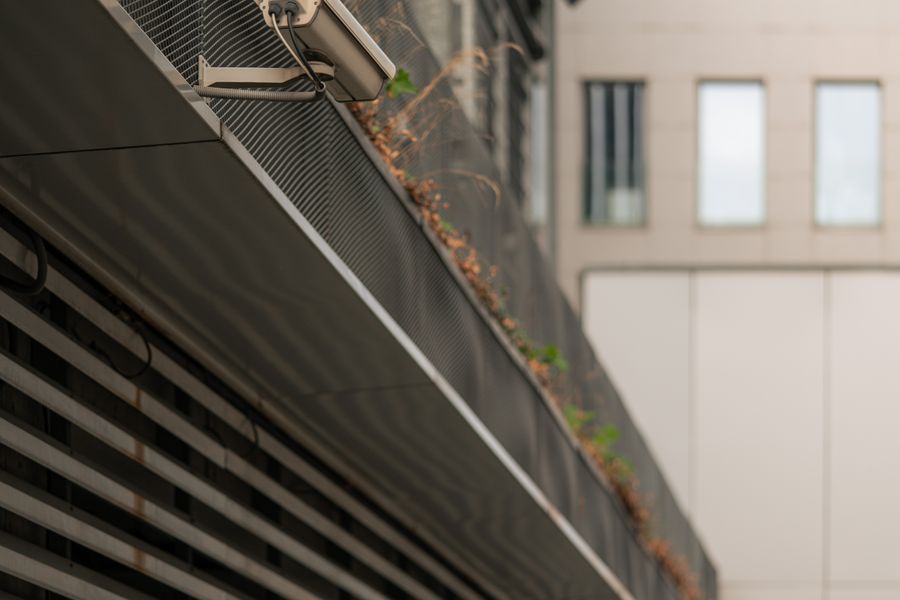
Retail chain and supermarket monitoring solutions
1. Industry security needs and pain points
The core appeal of the retail format is the dual goals of "loss prevention + operation": not only to reduce product loss and internal and external theft, but also to assist business decision-making through video data. Chain operations also bring new challenges:
- Losses remain high: External theft, internal theft, cashier fraud and supplier exchanges of goods coexist, and the annual loss of a single store is often difficult to quantify.
- Checkout risk: Missing scans, fake orders, fraudulent returns and exchanges, cashing out coupons, etc. are hidden and lack effective auditing methods.
- Difficult to manage multiple stores: The stores are scattered across various places, and the headquarters cannot grasp the on-site situation and equipment operating status in real time.
- Difficulty in resolving disputes: Customer slips, product disputes, price disputes, etc. lack objective basis.
2. Construction Goals
- Shelves, cash registers, entrances and exits, warehouses, and back yards are all covered, and there are no blind spots in key areas.
- The entire cashier, return and exchange operation can be audited, and internal fraud can be discovered and traced.
- The headquarters can remotely inspect stores, review videos, and monitor the online status of each store's equipment.
- Combined with passenger flow data to assist in scheduling, display and promotion evaluation.
3. Overall system architecture
- Front-end collection layer: Entrance and exit wide-angle cameras, shelf channel hemispheres, dedicated high-definition cameras for checkout counters, warehouse infrared cameras, and waterproof machines for back-end loading and unloading areas.
- network transport layer: Store LAN access, interconnected with the headquarters through dedicated lines or Internet VPN to ensure transmission security.
- storage management layer: Mainly store local storage, with optional cloud backup for key recordings; the headquarters platform centrally manages equipment and permissions.
- Application linkage layer: Video and POS transaction data overlay (cash register overlay), access control, alarm linkage, support mobile store inspection.
4. Key point layout and equipment selection
| point | Recommended models | Key parameters | Monitoring target |
|---|---|---|---|
| entrance/exit | Wide dynamic wide angle camera | Strong light suppression, clear face | Personnel entering and exiting, unsettled accounts taken out |
| checkout counter | HD Dome (supports POS overlay) | High resolution and clear details | Cashier operations, cash box opening and closing |
| shelf aisle | Wide angle dome camera | Corridor mode, low light | Taking and hiding behavior |
| Warehouse/Backyard | Infrared waterproof camera | Long range infrared, IP66 | Receipt inspection, internal circulation |
| Precious commodity area | Zoom HD Camera | Detail close-up, preset position | High-value items such as tobacco, alcohol, and cosmetics |
| Loading Zone | waterproof camera | Wide dynamic range, anti-backlight | Supplier handover and exchange of goods prevention |
5. Core functions and business value
- Loss prevention and consumption reduction: High-definition coverage in key areas creates a deterrent, and cooperates with video audits to significantly reduce losses from internal and external theft.
- Cash register wording: Transaction receipt information is superimposed on the screen, allowing you to quickly retrieve abnormal transactions and verify the operation process.
- Remote store inspection: The headquarters can check the live status of the store at any time through the platform or mobile phone, reducing on-site supervision costs.
- Passenger flow analysis: Statistics of store entry volume, hot area distribution and conversion status, assisting display optimization and scheduling decisions.
- Dispute resolution: Customer accidents and disputes are well documented, reducing the risk of compensation and complaints.
6. Implement delivery and service guarantee
- Determine locations based on the store floor plan and product layout, focusing on areas with high loss categories.
- The construction will be carried out during the night when the store is closed and will not affect normal business.
- Complete POS overlay, permission grouping and remote access configuration.
- Train store managers and loss prevention personnel on daily operations and audit methods.
- Provides headquarters-level operation and maintenance dashboards and batch inspection capabilities to support rapid replication and deployment of new stores.
7. Typical configuration suggestions
Standard store (300-800㎡) recommendations: 2 entrances and exits, 1 checkout machine per station, 1 zoom machine every 2-3 rows in the shelf aisle, 2-4 warehouses, and 1-2 zoom machines in the valuable merchandise area. Storage is calculated as 30 days retention. The chain headquarters recommends building a unified management platform to realize centralized management of equipment, online status monitoring, batch configuration distribution and remote video retrieval; new stores can directly reuse standard configuration templates when opening new stores, shortening the deployment cycle.
Related Products

-de803eb1.jpg)
Consult about this solution
Leave your requirement and we will contact you soon.